Due to forecasted storms, free sand for sandbags is now available on a first-come, first-serve basis at nine City of Phoenix parks.
Media & News
The District 7 Communications team connects the Councilwoman's office with the community, sharing accurate, timely, bilingual information through newsletters, social media, and accessible resources — on everything from city budget decisions to human services and local events.
We work with media partners, community organizations, and city departments to keep residents informed and engaged, making District 7 government more visible, accessible, and accountable to the people it serves.
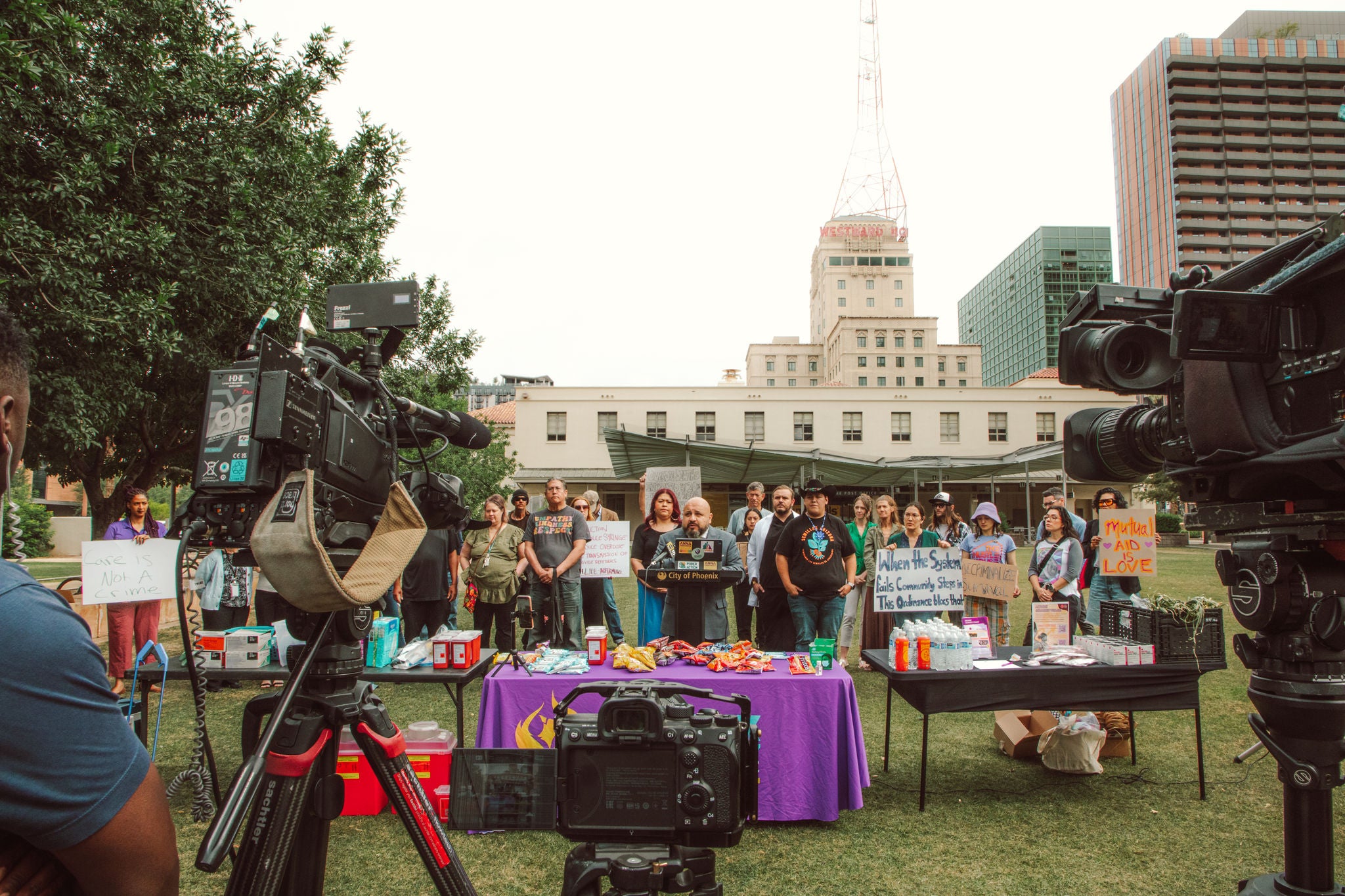
D7 Media Hub
Request a meeting or media interview with Councilwoman Anna Hernandez by emailing Noemí at noemi.gonzalez@phoenix.gov. In your email please include the following:
- Name + Organization (if applicable)
- Contact info (email + phone)
- Purpose of meeting or interview topic
- Preferred date(s) and time(s)
- Format (in-person, virtual, phone) and estimated length
- Deadline, if time-sensitive (e.g. publication date for media)
Need official D7 images or logos? For use by media and people of the media; for nonprofits and partner orgs:
D7 Newsletters
The District 7 office is heart broken.
Our hearts are with Vincent Anthony Siquieros and Cameron Davis Capara's families, their loved ones, and the entire Tucson LGBTQ+ community. Vincent and Cameron should be alive today.
Our LGBTQ+ communities deserve a chance to live their lives fully, to go out for a night with friends, and to come home and wake up another day. That is not too much to ask.
To learn that the person weilding the gun had a list of LGBTQ+ businesses is chilling. Gun violence once again has torn our communities apart. And our federal government's transphobia and homophobia is lighting the match and fueling hate toward our siblings.
My office and I are here to build with community. And we believe in a world where everyone can live openly and safely and get to thrive.
For our LGBTQ+ community: If you need someone to speak with, connect with a crisis counselor via text, chat or phone with the The Trevor Project at https://www.thetrevorproject.org/get-help/
This statement went out as part of District 7 Newsletter on August 7, 2026. Subscribe to our newsletter today!
You may have seen the headlines: the federal government is finalizing new operating guidelines for the Colorado River, set to take effect January 1, 2027. The seven states along the river have spent years negotiating how to absorb cuts to a river system that's been overallocated for decades — a system that, since the original 1922 Compact , has not included the Colorado River’s land and water indigenous original stewards. It's been well over a century since the Supreme Court first affirmed that the federal government owes tribes water , and many tribal nations are still fighting to see those rights actually delivered. As for Arizona, along with the other lower basin states of Nevada and California, we expect to see a significant reduction in our share of water. Given that Phoenix is the largest city in Arizona, we will be impacted by the cuts.
I want to be direct and honest with you about what this means for our community. The impacts of unaddressed climate change, increased drought, higher temperatures, and reduced snow fall in the Rocky Mountains, play a huge part in the Colorado River crisis. Additionally, unchecked development and willful overconsumption of our limited water supplies to grow the Southwest also plays a huge part in the crisis. This crisis is not going anywhere and will not be solved overnight or by a good rain. In truth, we are moving quickly into damage control territory. This is not a question of will we be impacted. It is a question of how badly and what steps will the City of Phoenix take to protect our residents for the foreseeable future. It's time for us to acknowledge that unlimited growth in the desert under climate collapse is incompatible with long-term water security.
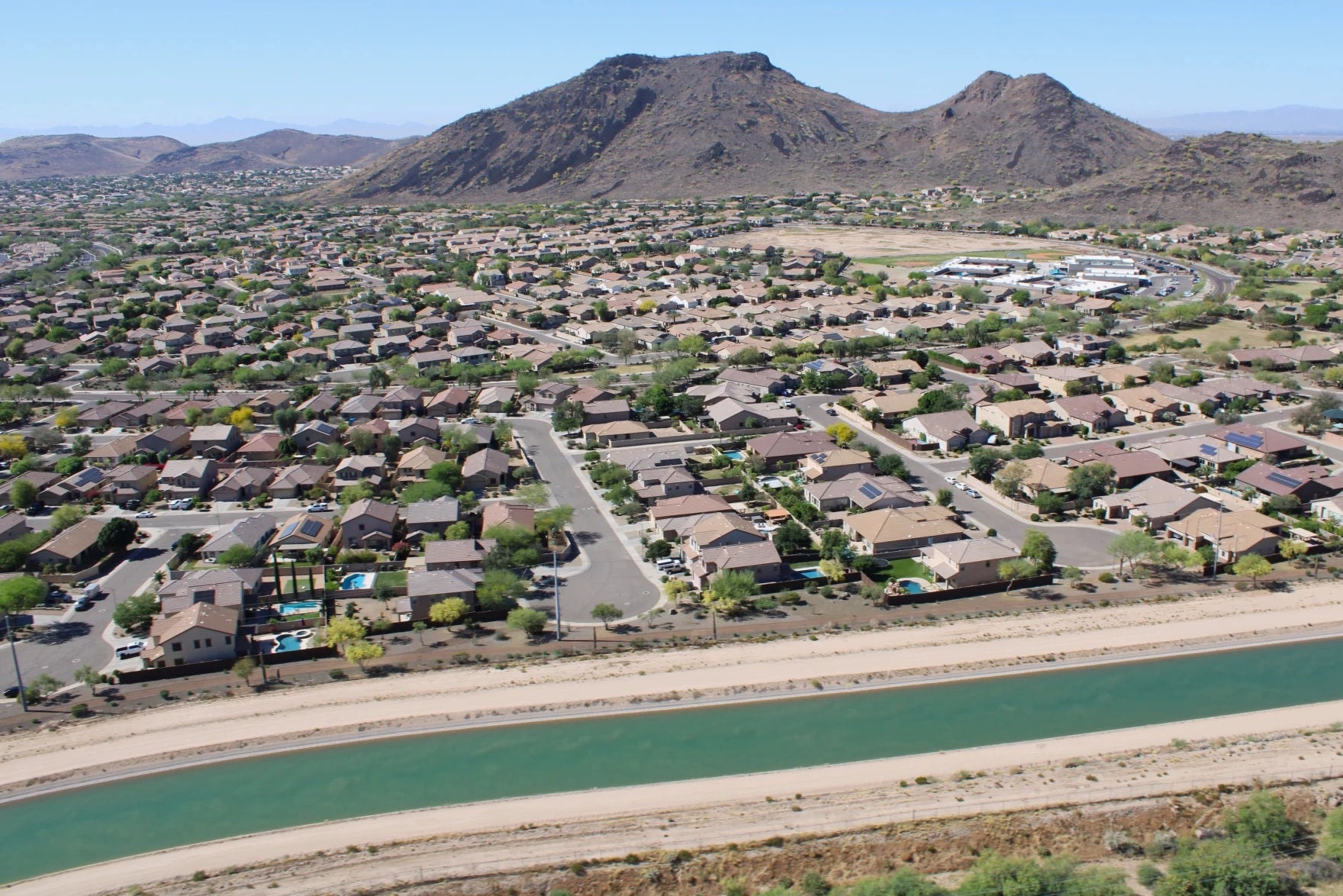
For decades, Phoenix City staff have anticipated this crisis and done a good job to diversify where our water comes from. As such, as a city we are not as reliant on the Colorado River as other cities in the valley. However, we are not totally immune to the impact of the cuts nor do we as a city operate in a vacuum apart from other valley cities.
Regardless of the diligent work we have done to prepare for this crisis, Phoenix will still have to act wisely and with urgency. With this in mind, City staff have presented Council with a projected range of mandatory cuts between 25% and 50% to our Colorado River supply. Because a cut of this size means Phoenix will need to rely on backup water supplies to sustain itself, we anticipate this will trigger a move to a Stage 2 Water Warning under our Drought Management Plan later this year.
Here's what that doesn't mean: no one in District 7 will see an interruption to their water service. Thanks to decades of planning — underground water storage, the Drought Pipeline , expanded groundwater wells , and investments like Pure Water Phoenix — our city is prepared in ways many others aren't.
Here's what it does mean: Stage 2 will call for all of us to make voluntary reductions in our water use. This moment asks us to get to know our neighbors, our hyper local communities and learn and adapt how we collectively consume water, from our homes to our communities and how we can support and take care of each other and be water and land stewards with reverence and respect for Earth's natural resources.
This is also a moment for accountability. Long-term water sustainability requires more than asking residents to conserve water. It requires holding the largest industrial and corporate water users accountable for their consumption and ensuring that every sector is doing its fair share. I'll keep pushing for transparency about how decisions around water get made and who they affect first. That includes the Gila River Indian Community, which holds the largest single entitlement to Central Arizona Project water under its 2004 settlement — and has been direct that reductions to its CAP supply imposed without the Community's agreement could raise serious questions about the federal government's trust obligations. Any plan for sharing the burden of these cuts has to reckon honestly with where tribal nations sit in that priority system, not treat their water rights as an afterthought .
Being PHX Water Smart isn't just a slogan — it's part of how we take care of this place and each other for the long haul. I'll keep you updated as this develops.
Learn more about Phoenix's water future: Phoenix.gov/WaterFuture
This statement went out as part of District 7 Newsletter on July 10, 2026. Subscribe to our newsletter today! As of August 2026, the one-time asistance program is still live and taking applications.
***
Did you lose SNAP benefits on or after October 1, 2025? You may qualify for targeted, one-time crisis assistance, including:
- $600 for utilities
- $100 for transportation (bus pass or gas card)
Call to apply: 602-262-7627 (SNAP)
Learn more: Phoenix.gov/BenefitLossAssistance
Crisis Assistance & Social Services
The Community Services and Initiatives Division's Community Services Program (CSP) operates three family services centers across Phoenix, offering crisis assistance, case management, and access to community resources to help individuals and families address urgent and long-term needs.
- Call for support: 602-534-2433 (AIDE)
- Learn more: https://tr.ee/Crisis-Assistance
Eviction Legal Assistance
The Eviction Legal Services Program assists Phoenix residents experiencing a current eviction crisis. Eligible residents may receive access to full or limited legal representation at court, mediation outside of a courtroom proceeding, or post-eviction services to address possible impediments to future renting opportunities. There is no cost to residents for these services.
Call for support: (602) 262-7210
Learn more: https://tr.ee/Crisis-Assistance
This statement went out as part of District 7 Newsletter on June 29, 2026. Subscribe to our newsletter today!
***
The last two months have held a lot — and I mean that in every direction.
We celebrated NBA Playoffs and grieved with our Black community. We cheered every time México scored in the World Cup and grieved alongside our immigrant neighbors carrying the weight of mass deportations, family separation, and a for-profit detention system that treats human beings as revenue. We enjoyed our rivers and city pools as we watched our city vote to criminalize the neighbors who depend on parks not just for shade, but for the food and medical care that keeps them alive in this heat.
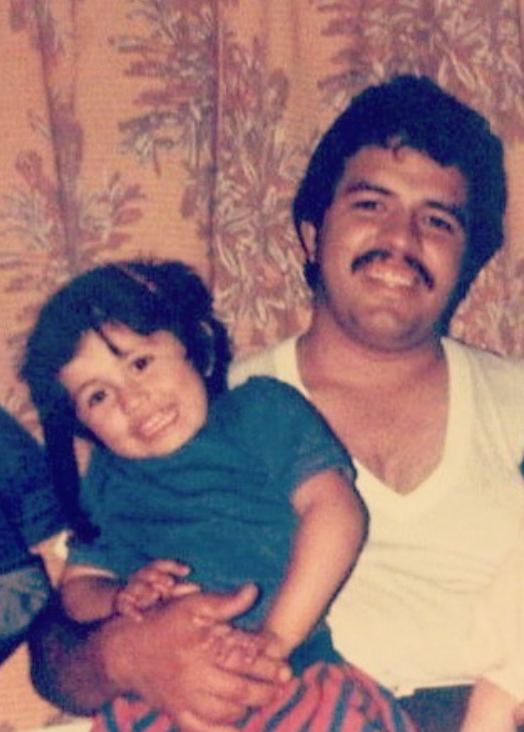
We honored fathers, and I honored mine — my dad, who died of COVID-19 in 2021, a loss I carry with me still, sharpened every time I think about the lives our state failed to protect.
Celebration and grief don't cancel each other out. They live side by side. And so does the work.
In those same two months, your City Council has voted on major policies and ordinances that affect real lives in our Valley — many of them quietly, in the middle of long agendas. This newsletter breaks down what was approved, what it means, and where District 7 stood on each vote.
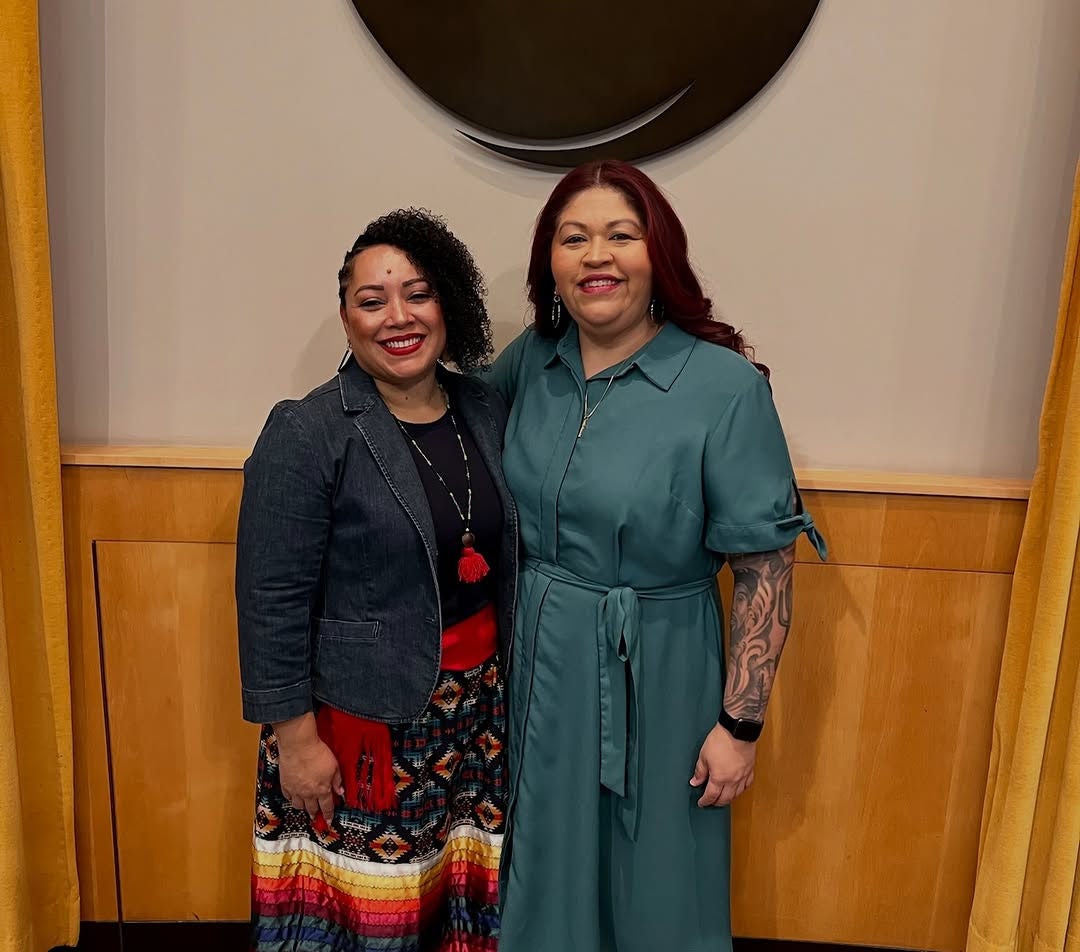
We also want to celebrate Dr. Enjolie Lafaurie — Co-Founder of D7's own Cihuapactli Collective and newly sworn member of the City of Phoenix Human Services Commission. Dr. Lafaurie has spent years centering healing and community wellness rooted in Indigenous knowledge. Now she carries that work into City Hall through June 2029. Welcome.
***
Housing, Homelessness & Community Care
Safe Medical Treatment and Food Distribution in Parks Ordinance
- What: The Council voted 6-3 to pass the Safe Medical Treatment and Food Distribution in Parks Ordinance, requiring permits for food and medical care in city parks and making violations a Class 1 misdemeanor — up to 6 months in jail and a $2,000 fine.
- How District 7 Voted: No. Care providers are already showing up, already cleaning parks, already filling a gap the City has not filled for years. This ordinance doesn't solve that gap — it criminalizes the people bridging it. No needs assessment. No impact analysis. No evidence this makes parks safer or cleaner. And this summer, with temperatures exceeding 110°F and hundreds of thousands of Arizonans losing SNAP and healthcare coverage, the predictable outcome is that our most vulnerable neighbors lose the only lifeline they have in the few public spaces they can exist in. Criminalization doesn't eliminate need. It displaces it — and it will continue to cost lives.
City of Phoenix Contract with Keys to Change
- What: Council voted 8-0 to continue its contract with Keys to Change. Keys to Change is a non-profit organization operating a 13-acre campus in downtown Phoenix where 13 independent agencies provide holistic services and shelter to individuals experiencing homelessness. And in partnership with the City of Phoenix, Keys to Change offers street outreach, housing navigation, and emergency shelters to reduce barriers to housing.
- How District 7 voted: Yes. Keys to change is the only 24 hour walk-up service and shelter provider for single adults in the city of Phoenix. District 7 is happy to continue to support that work.
- What: On June 9, the council unanimously adopted the 2030 Phoenix Food Action Plan — a five-year roadmap co-developed with residents, nonprofits, farmers, and local businesses to help Phoenicians grow, access, and enjoy healthy, affordable, and culturally relevant food.
- How District 7 voted: Yes. This plan centers community, equity, and justice, and I'm grateful for the work that went into it. Our office will be a partner in bringing this to D7 residents. But I have to be honest about something: this council cannot pass a Food Action Plan with one hand and a Parks Ordinance with the other. You cannot say you believe in food access and then criminalize the people providing it.
Public Safety and Policing
Additional $16 Million for Police Air Fleet
- What: The Council voted to approve a government services agreement of up to $16 million authorizing Phoenix PD to purchase a new twin-engine Airbus helicopter and related parts and services for the police air fleet.
- How District 7 Voted: No. No. The twin-engine helicopter is used primarily for mountain rescues alongside Phoenix Fire — I understand that value. What I can't ignore is a 2014 city audit that found Phoenix PD's patrol fleet was larger than required and could be reduced by three aircraft without impacting service. I asked whether the department had followed those recommendations. They hadn't even seen the audit. Phoenix PD currently operates six patrol helicopters, one rescue helicopter, and two fixed-wing aircraft. Before we spend $16 million on a new one, we should be asking whether we can shift resources from an oversized patrol fleet to meet the rescue need internally. We just told our community we don't have money for shade, for families struggling with inflation, for residents under attack by Trump's immigration policies. And yet here we are. That is fiscally irresponsible, and I cannot support it.
$2.1 Million Contract — Police Rescue Helicopter & Aircraft Engine Maintenance
- What: The Council voted 7-to-1 to authorize up to $2.1 million for the extension of a Pratt & Whitney engine maintenance contract covering two aircraft in the Phoenix Police Department fleet — a twin-engine rescue helicopter used for mountain rescues in partnership with Phoenix Fire, and a single-engine fixed-wing aircraft. The last major overhaul on the fixed-wing was conducted in 2018.
- How District 7 Voted: No. I asked the questions I needed answered: How much have we already spent? What exactly are these aircraft used for? The rescue helicopter is a legitimate public safety tool — it's how we get firefighters up a mountain to bring people down safely. I understand that. But $2.1 million is $2.1 million. And in a city that just passed a budget I described as overinvesting in policing and underinvesting in the services that address root causes, every dollar matters. I could not support this expenditure.
License Plate Readers NVLS (LEARN) Database Subscription
- What: The Council voted to approve an amendment to the NVLS (LEARN) database subscription contract with Motorola — expanding Phoenix Police Department's access to license plate reader data and surveillance infrastructure.
- How District 7 Voted: No. Reporting from INTERVAL revealed that at least 18 officers in other cities used this same technology to stalk ex-partners and strangers. That is not a hypothetical — that is what happens without guardrails. I asked Chief Giordano directly about abuse prevention, data access, audit frequency, and officer training. I also flagged that some license plate reader manufacturers offer add-ons that capture phones and other devices — linking them to specific vehicles. That is a surveillance overstep we should not be quietly approving. I don't trust that sufficient protections exist to prevent violations of our residents' First Amendment rights, and Phoenix should not be moving further down this road without them.
- What: The Council voted to approve up to $120,000 for a youth engagement training program teaching teenagers how to interact with police.
- How District 7 Voted: No. My team flagged this vendor's curriculum — it teaches youth to "act right," shifting responsibility off trained officers and onto teenagers whose brains are still developing. No community or parent oversight exists on this curriculum. We were asked to approve $120,000 without even knowing its full contents. The DOJ found that Phoenix Police interactions with youth were disturbing and likely to traumatize children. Instead of forcing more of those interactions, we should be connecting young people with counselors, mentors, and caretakers who can actually support them. The curriculum's own title says it: Policing the Teen Brain. Teens don't need policing. They need guidance, mentorship, and real investment. The day before this vote, police in Mississippi shot and killed a one-year-old Black baby boy. Our Black and brown children are being killed. Every time an officer interacts with a young person, they carry the possibility of death into that engagement. I could not in good conscience vote yes. Police should be nowhere near our kids.
Neighborhoods & Animal Safety
NSD Code Enforcement Policy Update
- What: The Council voted to approve the annual updates to the Neighborhood Services Department Code Enforcement Policy, expanding NSD's enforcement criteria and processes — including the conditions under which violations can be turned over to Phoenix Police.
- How District 7 voted: No. Three reasons. First, my office raised concerns about the consecutive citation issue during this process — those changes were never added. Second, the conditions under which the director can choose to enforce or not enforce a violation remain unclear. Third, NSD already holds significant power over residents' daily lives, and the criteria under which they can ticket and criminalize people are too broad and too undefined. We are on a slippery slope toward turning NSD into a mini police department, weaponizing enforcement against residents who are simply trying to live their lives. As this moves forward, I hope NSD will work with our office to lead with education before enforcement.
Phoenix Budget
City of Phoenix Budget for Fiscal Year 2026–2027
- What: The Council adopted the City of Phoenix budget for Fiscal Year 2026-27, including investments in housing support, food access, childcare, youth programming, and community-based services — alongside continued major funding for the Phoenix Police Department.
- How District 7 Voted: Yes. The surplus additions include real investments in housing, care, and youth — and at a moment when the federal government is dismantling social safety nets, these may be some of the few protections Phoenix residents have left. Social services save lives. But I remain disappointed that this budget continues to pour massive resources into policing while underinvesting in what actually creates safe communities — affordable housing, mental health care, cooling infrastructure, and services that address root causes. A budget is a moral document. This one includes important wins — and it still has a long way to go. I will keep pushing for a Phoenix that invests at the scale people deserve.
This statement went out as part of District 7 Newsletter on June 19, 2026. Subscribe to our newsletter today!

Juneteenth is honored every year on June 19th because it marks the day in 1865 when enslaved Black people in Galveston, Texas, finally received word that they were free. The Emancipation Proclamation had been signed two and a half years earlier. Enslaved people in Texas were among the last to be informed — a delay many historians attribute to deliberate suppression by enslavers who refused to relinquish their power.
Juneteenth is not simply the end of slavery. It is a testament to the gap between freedom declared and freedom delivered. It is a gap Black Americans have been closing through resistance, community, and relentless organizing ever since. For generations, Black communities celebrated Juneteenth through family gatherings, prayer, music, and food, keeping the tradition alive even when it was ignored or actively suppressed by the broader culture. In 2021, it became a federal holiday. But its roots are grassroots. Its power is in the people.
This year, we honor that legacy, and we refuse to look away from what is happening right now to Black lives in our country.
WE SAY HIS NAME: KOHEN KARTIER WILEY
Earlier this week, a Mississippi police officer shot and murdered 1-year-old Kohen Kartier Wiley while responding to an alleged shoplifting call at a Walmart in Senatobia, Mississippi. A witness saw two women exiting Walmart, one holding a single box of diapers, the other holding the infant child. They were Kohen's mother and aunt.
The culture of shoot-first policing in this country is an epidemic — and Black people bear the weight of it most. A presidential administration defined by blatant misogyny and fascist policy has already stripped away people's ability to afford necessities like diapers. And now, a mother and her aunt — baby in arms, box of diapers in hand — were met with lethal force.
Whether those diapers were shoplifted or not is beside the point. Nothing justifies what happened to Kohen. Nothing.
We say his name: Kohen Kartier Wiley. We hold his mother. We hold all Black mothers. We hold his family. We demand justice.
WE REMEMBER JAMESON — AND MARIE MARSEILLE
Last weekend, the New York Knicks won the NBA Championship. Across the country, people celebrated, including our own staff at District 7. In Canoga Park, Los Angeles, a Black woman named Marie Marseille was celebrating — joyful, loud, and alive — when a neighbor called the police, reporting a "screaming woman."
LAPD officers responded to the call and shot and killed Jameson, Marie's 2-year-old Saint Bernard, golden retriever, and poodle mix, who was still wearing his Knicks shirt.
Activists have since called for the release of body camera footage and demanded the LAPD identify the officers involved, calling the killing "unnecessary and unwarranted." As of this writing, LAPD has not apologized to the grieving family.
This is what anti-Black racism looks like in everyday life. A Black woman celebrating — screaming with joy — becomes a threat. Her home becomes a crime scene. Her grief becomes a viral video. Juneteenth is supposed to be a celebration of Black freedom. But Black people cannot yet celebrate freely, loudly, or joyfully without the threat of state violence entering the room.
We say her name: Marie Marseille. We say his name: Jameson.
THE CALL: BLACK LIVES MATTER — NOW AND ALWAYS
We remember every Black person who resisted, fought back, sabotaged, and waged war against enslavement before the end of the Civil War — and those who continue to fight in their legacy today. We remember the millions who died during capture, on boats across the Atlantic, and under state-sanctioned slavery. We remember those who told stories of freedom and sang songs of hope, whose legacy was never lost.
And we remember that anti-Black racism — in the form of economic injustice, environmental injustice, educational injustice, housing injustice, and police violence — is alive and active. It is not history. It is this week. It is Kohen. It is Jameson. It is Marie.
We envision a present and a future where Black children get to live. Where Black people get to celebrate — loudly, joyfully, without fear. Where a box of diapers does not cost a baby his life. Where screaming with joy does not get your dog companion killed. Where Black communities in Phoenix and across this country are protected, not policed into silence.
Black Lives Matter — not as a slogan, but as a demand. As a way of life.
People Power Phoenix D7 – Want to take action? Connect with local organizations doing the work: Black Lives Matter – Phoenix Metro , Mass Liberation and Centered Phoenix
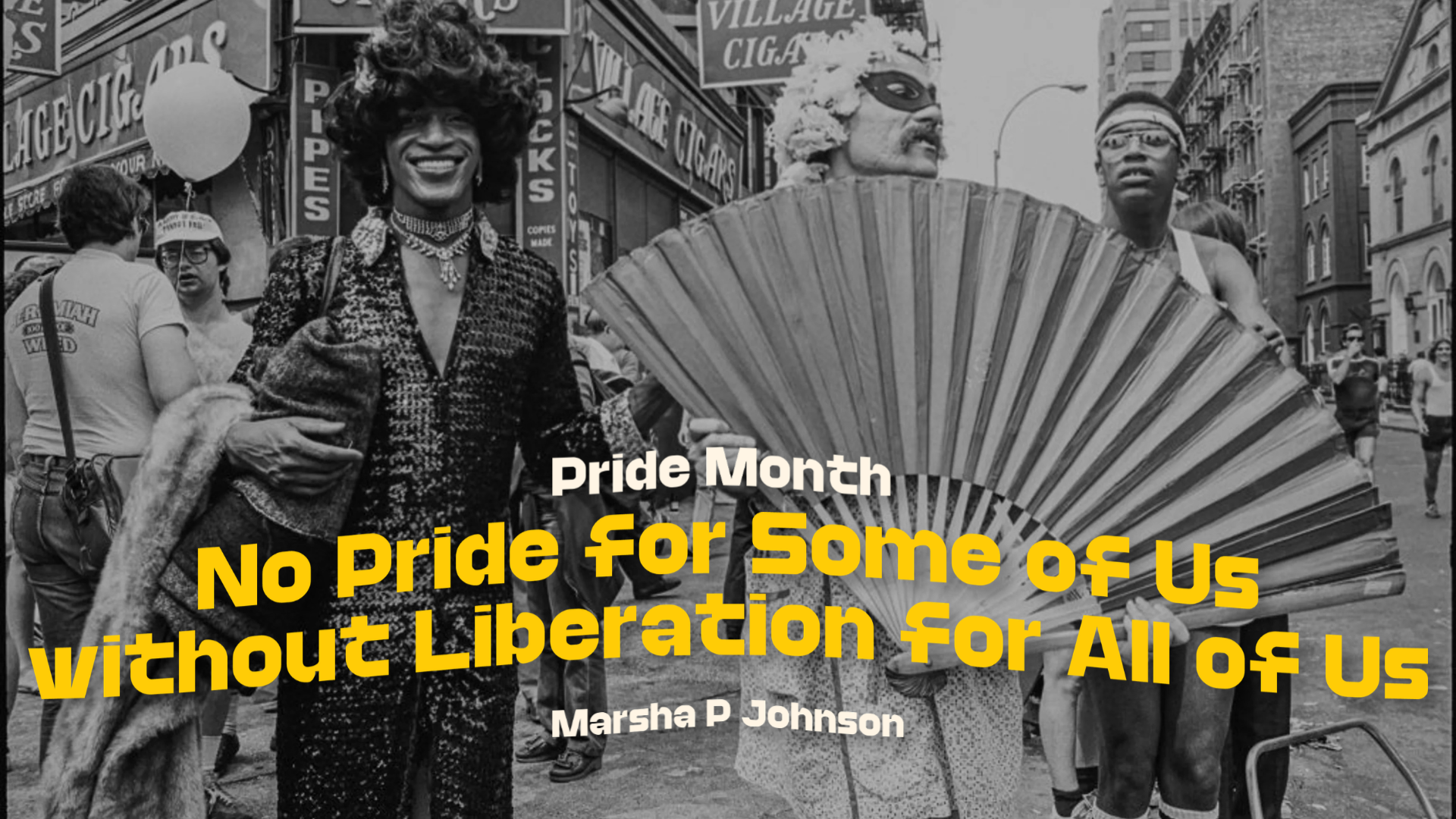
As we head into mid-June, I want to take a moment to honor Pride Month — and the truth of where it comes from. LGBTQ+ people have always been part of humanity, part of our history, and part of our community.
Pride didn't start as a parade. It started as a protest. In June 1969, the patrons of the Stonewall Inn in New York City fought back against police harassment and discrimination, igniting a resistance movement that changed the course of history. That courage is the foundation of the LGBTQ+ rights movement we know today, and it's a legacy we carry forward.
As we celebrate this month, we honor everyone who risked everything so that future generations could live openly, freely, and with dignity. That includes the ongoing fight for trans rights — a fight that is far from over.
It's also essential that we recognize and uplift the LGBTQ+ migrant movement here in our own communities. A special thank you to Trans Queer Pueblo for your tireless work protecting and advocating for the dignity of our residents. We see you, and we stand with you.
Because none of us are free until all of us are free.
D7 in the News
- How Phoenix officials abandoned their community in favor of police and ICE
- Phoenix’s newest public information officer is a French bulldog
- Phoenix considers tighter permit limits for medical outreach at city parks; Providers warn changes could hinder care
- Phoenix City Councilwoman slams officer's conduct at student-led ICE protest
- Proposed Phoenix ordinance would limit food, medical services for unhoused in public parks
- Phoenix approves oversight of federal immigration enforcement in 8-1 vote
- HB 2375 is a step backward for housing fairness and just plain wrong
- Councilwoman: Phoenix police spending is ‘criminalization’
- Impending Parks Ban Looms Over Phoenix Harm Reduction Efforts
- Councilwoman Anna Hernandez: Capitol light rail extension vote is a broken promise
- 'We are under attack' by ICE, Phoenix council member says
- Phoenix City Council faces big decision on light rail extension
- Phoenix voters approved the CapEx and I-10 light rail expansion. It’s time for the city council to carry that vision forward!
- Phoenix City Council Votes To Hold Homeless Accountable For Crimes
- In Phoenix, a routine traffic stop can still get you deported
- 'No politician is going to save us': Phoenix Councilwoman Hernandez remains steel-willed in her fight against fascism
- Extreme heat is a silent killer. Cutting home efficiency programs costs lives | Opinion
- Red-light cameras returning to Phoenix streets
- Phoenix moving forward with red light camera intersection projects
- Phoenix moves forward with red light, speed enforcement cameras
- Phoenix City Council OKs SRO contracts for Ahwatukee schools
- Phoenix council denies community petition that would end racial profiling, 'immigration violence'
- Activists ask Phoenix PD to not engage in immigration enforcement
- Phoenix 'No Kings' rally draws thousands of peaceful protesters, despite extreme heat
- Phoenix launches South Central light rail extension, marking start of two-line system
- Phoenix councilman explains how Phoenix PD might respond to ICE protests
- Según testigos: ICE sigue y arresta a personas al salir de la Corte
- Phoenix dodges pricey U.S. Department of Justice bullet as probe closed
- Phoenix adds millions to Police Department budget, pushing total over $1 billion
- Phoenix City Council approves $1 billion policing budget
- 'Damned if you do, damned if you don't': Activists guard Phoenix immigration court
- 'We must change as a city': Phoenix council approves $4-billion budget
- Phoenix heat respite center has 24/7 cool indoor space, water and place to stay overnight
- Residents demand more heat relief in proposed Phoenix budget
- Politics Unplugged Podcast: Anna Hernandez on the dropped DOJ investigation into Phoenix Police
- Phoenix swears in newest council member Anna Hernandez Hernandez; pledges to a be a ‘fighter’ against Trump admin, Republican state legislature