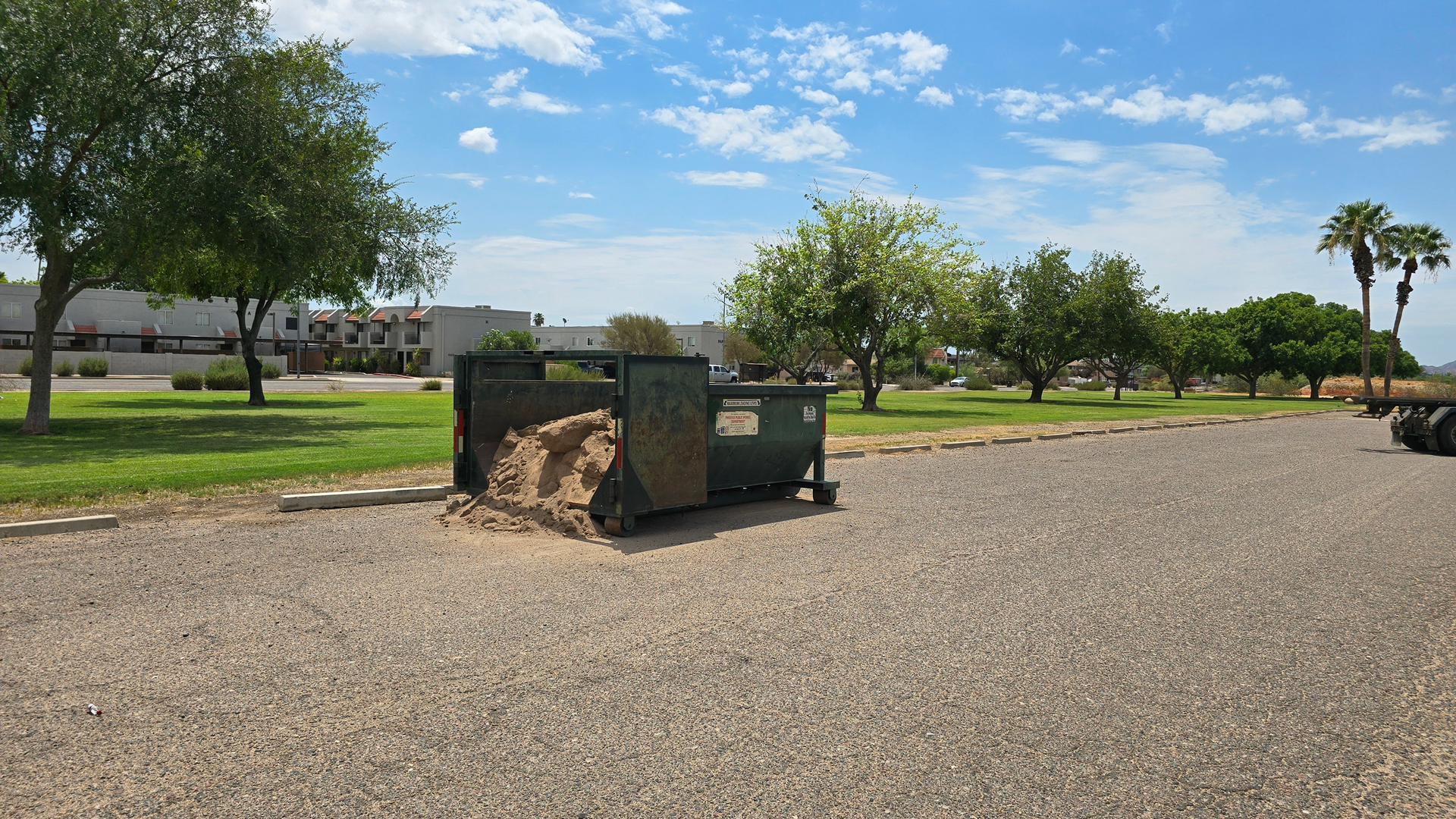
Due to forecasted storms, free sand for sandbags is now available on a first-come, first-serve basis at nine City of Phoenix parks.
Case Study: Food Waste Collection Pilot Program a Success for Phoenix Zero Waste Goals
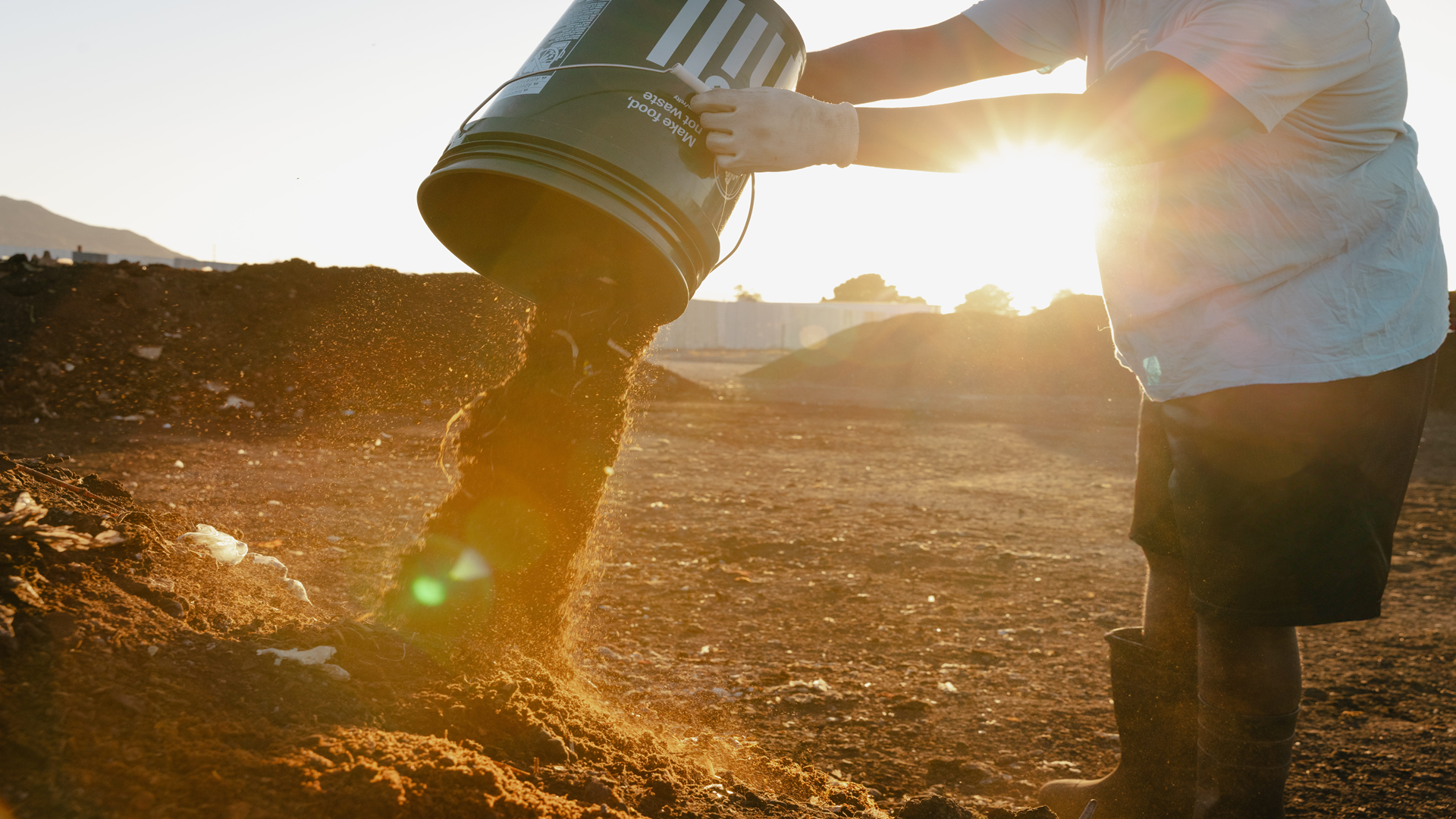
A year-long pilot partnership that turned food waste into clean compost was able to keep hundreds of tons of food waste out of Phoenix’s landfill.
To help work toward Phoenix’s goal of diverting 50% of waste away from the landfill by the year 2030, the City entered a Zero Waste Business Agreement in 2025 with Mill and Recycled City (R.City) to measure the collection and reuse of food waste. Mill provided food recyclers – devices that dehydrate and grind food waste into usable compost -- to break rooms across Phoenix City Hall and the Calvin Goode Municipal Building. Each month, R. City collected the food grounds to use in local farm soil for growing fresh, seasonal produce.
To divert even more food waste, Public Works also co-promoted the food recyclers to residents who were interested in subscribing to the collection program. Meanwhile, the technology in Mill’s food recyclers measured how much food waste was composted and reused, rather than buried in the landfill. This valuable data helps the City track its progress toward its Zero Waste goal.
Key Findings
At the conclusion of the pilot partnership, Mill published key findings in a case study:
- The program kept 441 tons of food OUT of the landfill.
- Because dehydrated grounds weigh much less than unprocessed food scraps, the City avoided 957 tons of CO2 emissions by not having to transport heavy food waste on a truck to a landfill.
- Nearly 3,000 Phoenix residents signed up for a food recycler.
- On average, each participating household diverted .92 lbs. of food per day, surpassing Mill’s initial goal of .75 lbs./household diverted daily.
For more information, you can read the entire study or learn more about how Zero Waste Business Agreements function as a method of tracking waste diversion.