Due to forecasted storms, free sand for sandbags is now available on a first-come, first-serve basis at nine City of Phoenix parks.
Phoenix Calls for New Federal Funds, Basin-Wide Action Following Colorado River Decision
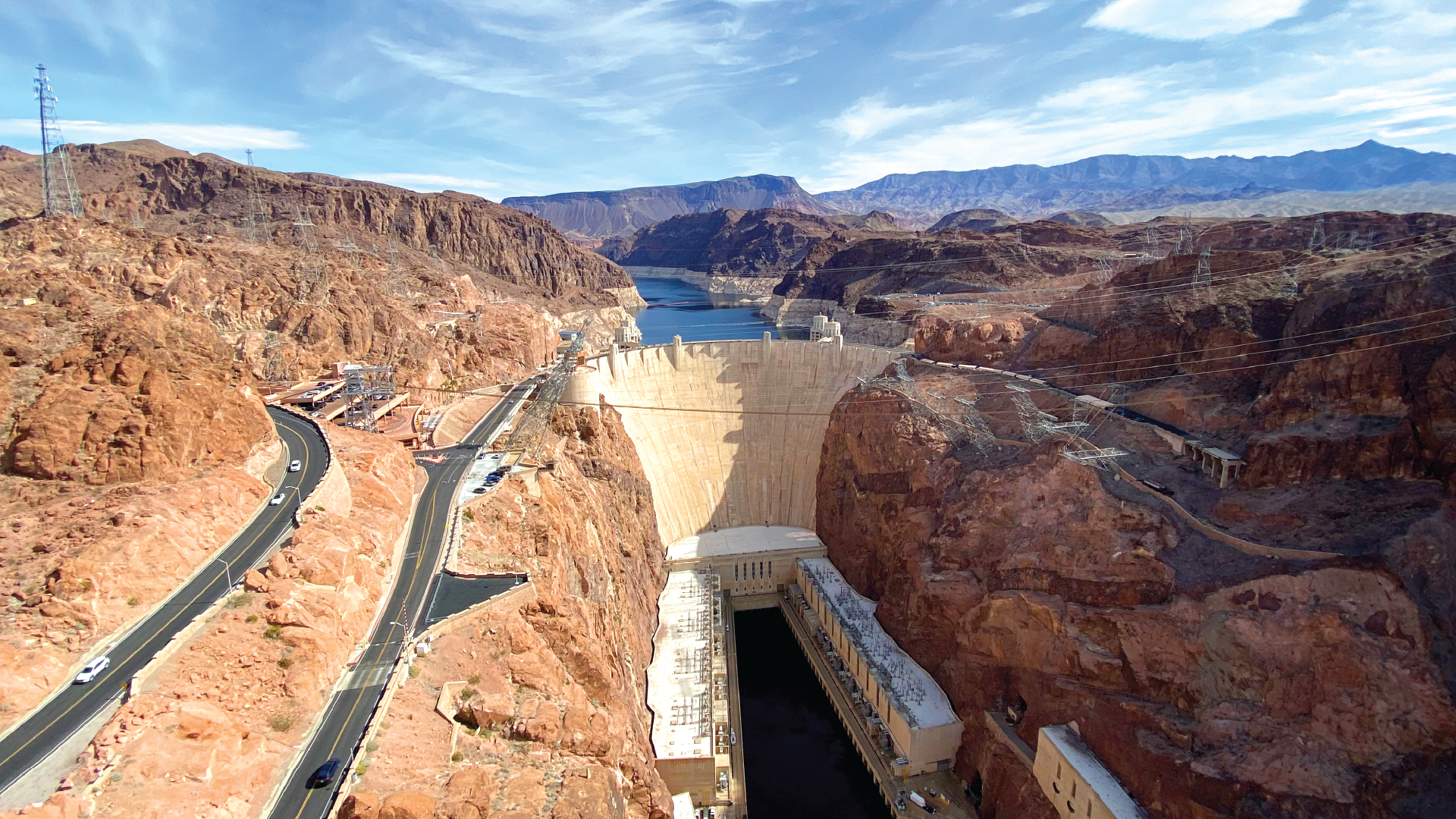
The U.S. Department of the Interior and Bureau of Reclamation finalized the Record of Decision and 2027–2028 Operating Guidelines for the Colorado River, establishing a 10-year decision framework and significant reductions in Lower Basin water deliveries beginning in 2027. Reclamation also released its August 24-Month Study, reflecting historically low reservoir conditions.
The federal action does not immediately interrupt water service or require mandatory water restrictions on Phoenix customers. Residents and businesses can continue to expect safe, reliable water service.
The decision does mean Arizona will receive significantly less Colorado River water beginning in 2027, and Phoenix is preparing to operate its water system differently as those reductions are implemented.
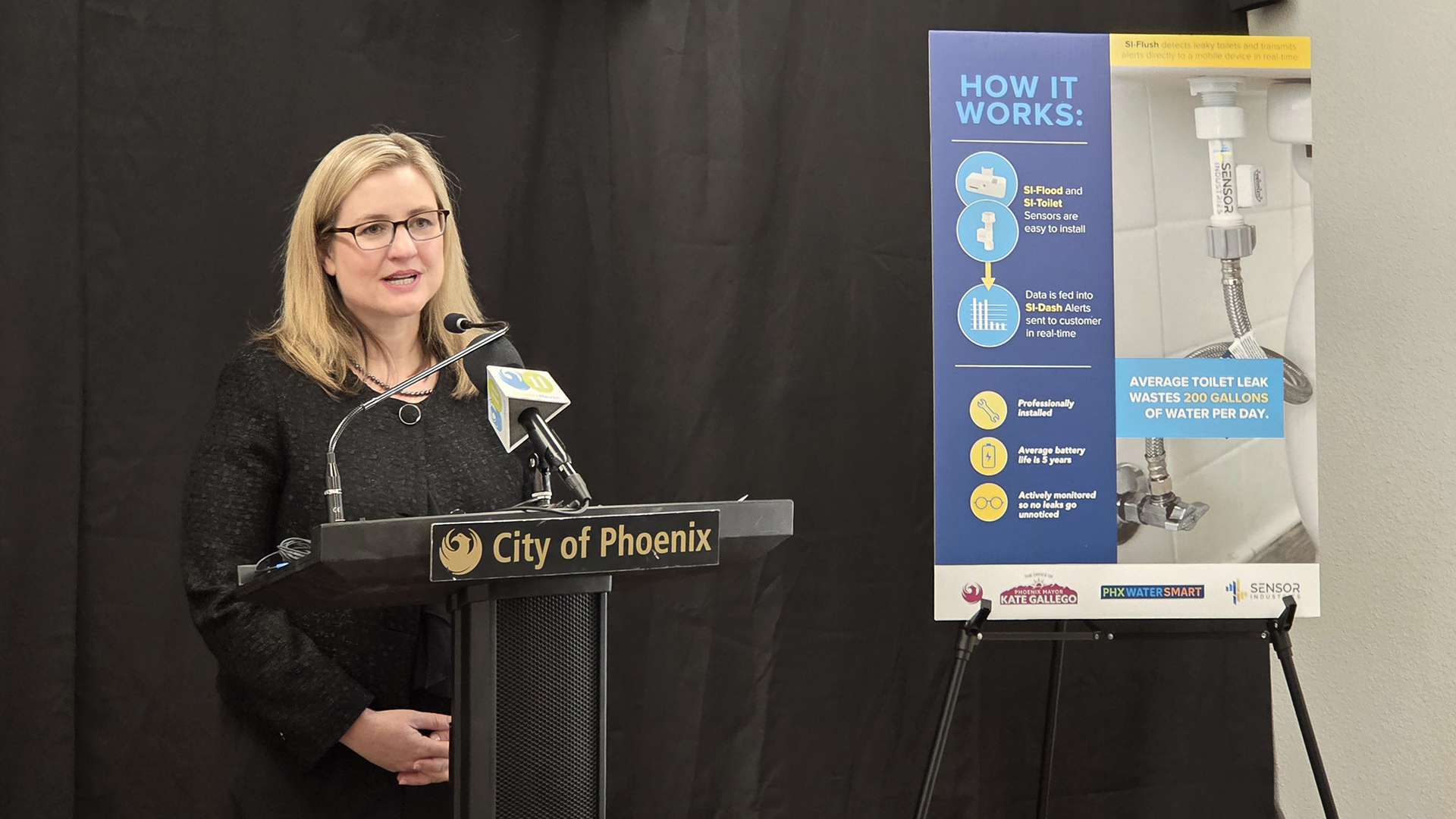
"The federal government’s decision does not provide the fair, basin-wide leadership the Colorado River crisis demands," Mayor Kate Gallego said. "We will continue protecting reliable water service while leading the next generation of infrastructure investments that support our residents and businesses that are essential to America’s economic and national security. Though Phoenix is prepared for this moment because of decades of planning and conservation, we will push for new federal support to mitigate the rising cost of water that will result from this federal decision."
- Learn more about the federal framework and Phoenix’s preparations: Phoenix Prepared as Federal Framework Outlines Potential Cuts to Arizona’s Colorado River Supply
The 2027–2028 Operating Guidelines require 1.25 million acre-feet of reductions in Colorado River deliveries to the Lower Basin states in each of the next two years. If Arizona, California and Nevada implemented their proposed sharing agreement, Arizona’s reduction would be 760,000 acre-feet, California’s 440,000 acre-feet and Nevada’s 50,000 acre-feet. The Lower Basin states will also be expected to voluntarily conserve and store at least 700,000 additional acre-feet over the two-year period.
Phoenix thanks California and Nevada for their willingness to share responsibility for the near-term reductions and help reduce impacts that otherwise could fall more heavily on Arizona.
The decision comes as Lake Powell and Lake Mead are experiencing historically low conditions, underscoring the urgency of developing a durable, basin-wide solution.
However, Phoenix has serious concerns that the federal approach places a disproportionate share of the responsibility for balancing the Colorado River on Arizona and other Lower Basin states without requiring sufficient action throughout the Colorado River basin. Long-term drought and aridification have resulted in a smaller river, creating a fundamentally different scenario than was contemplated when the Law of the River was established. In this new reality, all Colorado River users must share responsibility for protecting this important resource on which 40 million people across the basin depend.
What the Federal Decision Means for Phoenix
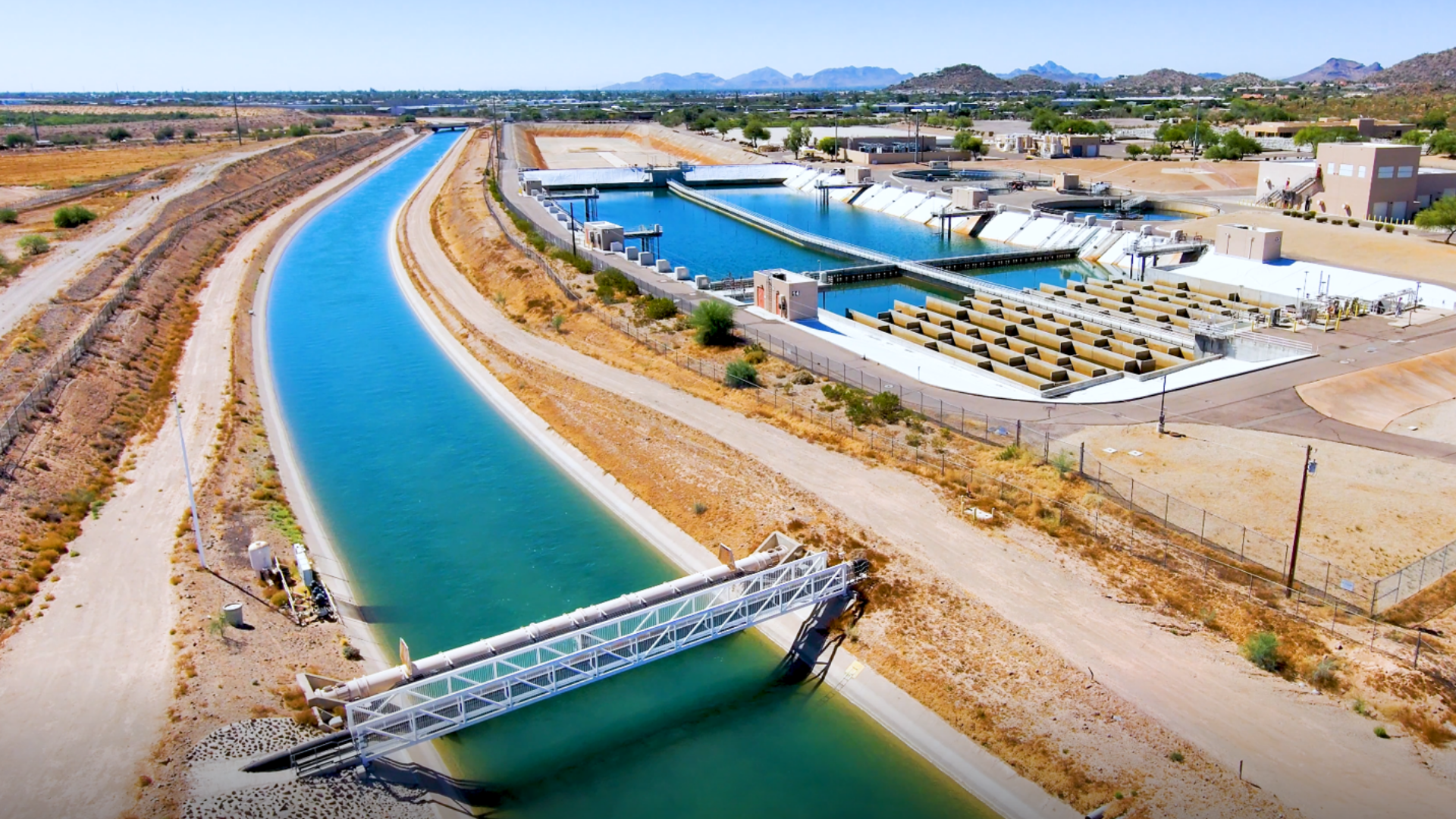
Approximately 40 percent of Phoenix’s current drinking-water supply comes from the Colorado River through the Central Arizona Project. About 58 percent comes from the Salt and Verde rivers, while approximately 2 percent comes from groundwater.
As Arizona and Central Arizona Project partners implement the new reductions, Phoenix is evaluating the specific effect on its Colorado River supplies. The City is prepared to increase its use of stored water and other backup supplies as needed while continuing to invest in new water resources and infrastructure.
Phoenix is evaluating the final federal reductions and what they mean for operations under the City’s Drought Management Plan. The City remains committed to keeping customers informed before any changes are implemented.
"Phoenix has prepared extensively for reduced Colorado River supplies, and our customers can continue to expect reliable water service," Phoenix Water Services Director Brandy Kelso said. "But preparation does not mean we can be complacent. Balancing supply and demand will require us to carefully manage our reserves, invest in future supplies, and work with residents and businesses to use water as efficiently as possible."
Phoenix’s preparations include water stored underground for future shortages, groundwater-recovery infrastructure, the Drought Pipeline that allows Salt and Verde River water to be moved to north Phoenix, conservation investments, and the development of Pure Water Phoenix and other future renewable supplies.
"The water we stored underground was developed for conditions like these," Phoenix Water Resources Management Advisor Dr. Max Wilson said. "Those reserves provide a critical bridge, but that bridge must lead to the next generation of renewable water supplies. Phoenix will use this moment to accelerate the projects and partnerships needed to strengthen reliability for decades to come."
Supporting a Vibrant and Sustainable Phoenix
Phoenix will continue planning for a vibrant, growing, and economically diverse city in which future generations have access to the jobs, housing, and opportunity needed to thrive.
Water planning and economic planning must move forward together. Phoenix invests decades in advance to provide reliable service to existing customers while supporting responsible growth and nationally important industries, including semiconductor manufacturing, aerospace, defense, bioscience, and technology.
"Phoenix is proving that a desert city can lead in both sustainability and innovation," Gallego said. "We can protect reliable water service, create economic opportunity, and strengthen industries important to our country. Phoenix will continue to lead with responsible growth, continued conservation, and investment in infrastructure improvements that serve our city and the region."
Phoenix Calls for Basin-Wide Responsibility
Phoenix will continue doing its part, but the Colorado River cannot be stabilized through reductions imposed primarily on Arizona and other Lower Basin communities.
A lasting solution must:
- Share responsibility throughout the entire Colorado River Basin.
- Reflect current and anticipated hydrologic conditions.
- Protect critical elevations at Lake Powell and Lake Mead.
- Recognize tribal water rights.
- Provide pathways to new federal funds and support.
- Provide certainty for community, infrastructure, and financial planning.
- Recognize conservation and water-storage investments already made by cities, tribes, agriculture, and other water users.
- Protect communities, agriculture, and industries important to the regional and national economy.
Phoenix will continue coordinating with the State of Arizona, the Central Arizona Project, tribal nations, California, Nevada, other municipalities, agricultural interests, businesses, and regional partners as the federal guidelines are implemented.
About City of Phoenix Water Services Department
The City of Phoenix Water Services Department is dedicated to providing high-quality, reliable, and sustainable water services to the residents, businesses, and visitors of Phoenix. With a commitment to water conservation, innovation, and long-term planning, the department ensures a secure and resilient water supply for future generations. For more information, visit phoenix.gov/water.
Media Contacts:
Michael Gertzman
Sr. Public Information Officer
Phoenix Water Services
602-534-1209
michael.gertzman@phoenix.gov
Jimena Garrison
Public Information Officer
Phoenix Water Services
480-390-1933
jimena.garrison@phoenix.gov
Todd Zubatkin
Communications Director
Office of Mayor Kate Gallego
908-892-9090
todd.zubatkin@phoenix.gov