Due to forecasted storms, free sand for sandbags is now available on a first-come, first-serve basis at nine City of Phoenix parks.
About Tres Rios
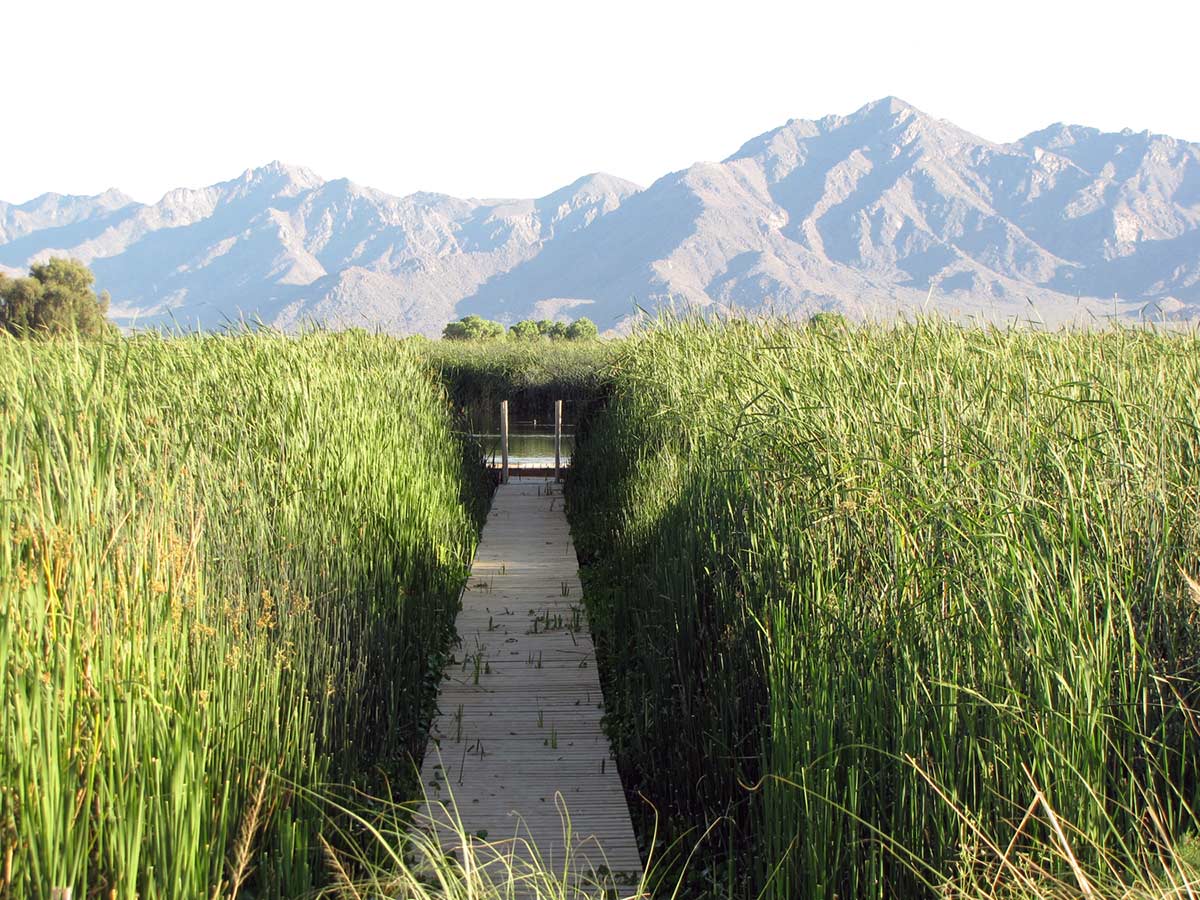
Tres Rios, meaning Three Rivers, is an impressive project near the confluence of the Salt, Gila, and Agua Fria Rivers west of Phoenix. Read and learn more below.
What is Tres Rios?
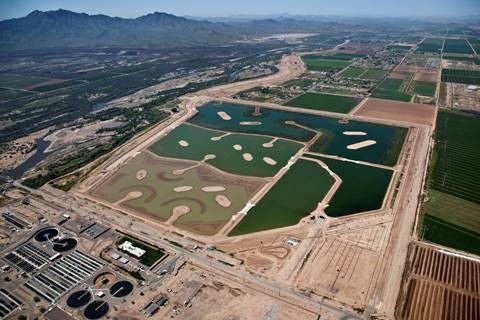
Owned and operated by the City of Phoenix Water Services Department, Tres Rios is series of wetlands provides flood protection for the local residents, restores vital habitat for native plants and animals, and improves water quality. Highly treated effluent from the adjacent 91st Avenue Wastewater Treatment Plant provides the water needed to sustain this complex project.
What is Tres Rios Used For?
Tres Rios consists of a flood protection levee, effluent pump station, emergent wetlands, riparian corridors, and open water marsh areas to replace existing non-native salt cedar in the river. Construction of the levees and emergent wetlands has been completed and the riparian and river areas are flourishing.
Where Does the Water Come from?
The water source for Tres Rios is the highly treated effluent from the 91st Avenue WWTP. In order to get this water to the wetlands, a 300 million gallon per day pump station was constructed within the Wastewater Treatment Plant. Along with providing water to sustain the wetlands, the pump station ensures the Treatment Plant can operate when water is flowing in the river.
Flow Regulating Wetlands (Closed to the Public)
The 290 acres of wetlands inside the fence serve an important function: further cleaning the highly-treated effluent from the 91st Avenue Wastewater Treatment Plant before it is discharged to the Salt River. Nutrients and toxic compounds are physically removed or transformed by bacteria residing on the bottom of the ponds and on plant surfaces. Aquatic plants produce oxygen, which helps kill bacteria and pathogens. Not only do wetlands help treat the water, but they also provide a suitable habitat for waterfowl, mammals, amphibians, and insects. The three separate cells also equalize daily variations of flow to control the volume of water discharge to the Salt River. The reason this area is closed to the public to maintain total control over water quality for environmental compliance.
Overbank Wetlands
The Overbank Wetlands consist of 128 acres of constructed emergent wetlands along the North Bank of the Salt River. Riparian “stringers” of cottonwood and willows provide a connection to each of the cells and vital habitat for many species of birds.
Mesquite Bosque
Running parallel of the Overbank Wetlands is a large linear mesquite forest. Hidden among the hundreds of mesquite trees and the occasional palo verde, you may see a roadrunner, coyote, cottontail rabbit, or maybe even a bobcat!
Tres Rios Links
-
Tres Rios Home Page
Tres Rios is home to more than 150 different species of birds and animals like muskrats, raccoons, skunks, coyotes, bobcats, and beavers.
-
History of Tres Rios
Discover the rich history of Tres Rios Wetlands, a vital ecological restoration project enhancing biodiversity and water quality in Phoenix.
-
Birder Information
Explore Tres Rios Wetlands for birdwatching tips, species info, and more. Discover a birder's paradise in Phoenix's unique ecosystem.
-
Frequently Asked Questions
Discover answers to common questions about the Tres Rios Wetlands, including its development and infrastructure.
-
Related Links
Explore essential resources and links related to the Tres Rios Wetlands, enhancing your understanding of this vital environmental project.
-
Contact Us/Request a Permit
Get in touch with the Tres Rios Environmental Restoration Project team for inquiries and support on water services and environmental initiatives.
-
Driving Directions/Map
Find driving directions to Tres Rios Wetlands, a key development in Phoenix's water infrastructure, and explore this unique ecological site.